Dubai rewards clarity. Buyers who know what they want, and why, tend to navigate the city’s fast‑moving property market with fewer detours. For end users, the right home balances daily convenience with long‑term quality. For investors, the right purchase pairs resilient demand with steady yields, limited volatility, and solid upkeep. Sobha Sanctuary Townhouse and Villas aims to serve both groups. This is a branded, low‑density enclave that prioritizes build quality, thoughtful planning, and community scale over spectacle. If you have been tracking premium family housing, you have likely seen how these factors play out in Dubailand. On paper, the address checks the usual boxes. On the ground, it leans into details that matter after the keys are handed over.
Where it sits in the city’s fabric
Sobha Sanctuary Villas at Dubailand occupies a growing zone that has matured fast in the last five to seven years. The western and central corridors used to be defined by large plots and patchy service coverage. Today you see twin anchors of retail and schooling, a reliable web of internal roads, and more greenery than the stereotype suggests. Reachability drives the appeal. If you are commuting to Business Bay, Dubai Design District, or Dubai Internet City, the routes are predictable and as direct as Dubai allows. You avoid the worst chokepoints around peak season events. Weekend logistics are straightforward too. Daily errands, clinics, after‑school activities, and home delivery networks are well served.
I track commute friction as a lifestyle cost. A villa that trims ten minutes off each school run is not just about fuel or a parking space. It shapes stress levels, bedtime, and whether you say yes to that extra activity your eight‑year‑old begged for. On my last site visit to Dubailand, I counted the turn times and observed speed-calming features, drop‑off loops, and real sidewalks. Too many communities label a verge as a walkway. Here, separations felt intentional, and pedestrian paths connected amenities, rather than dead‑ending at a hedge.
First impressions and the feel of the place
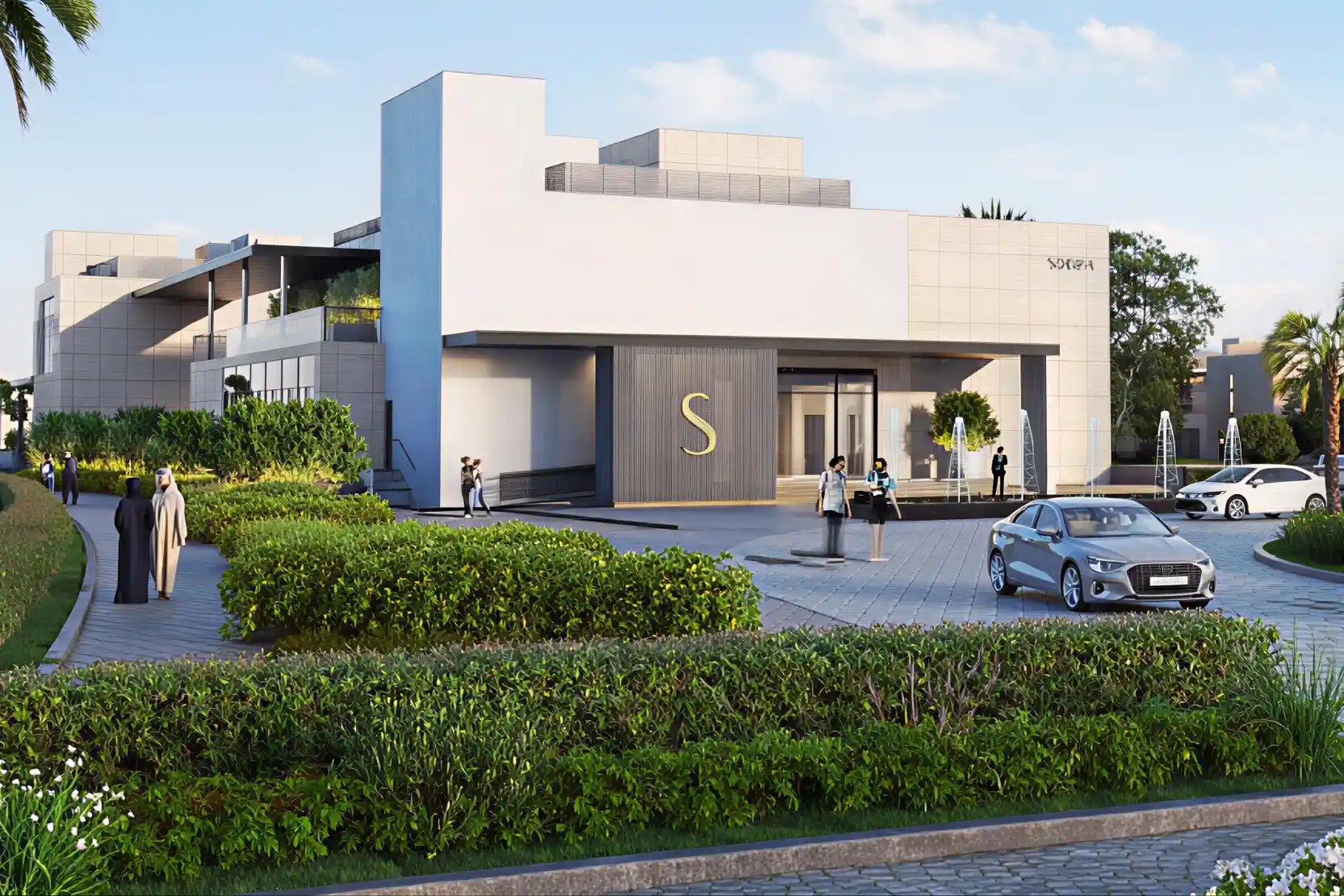
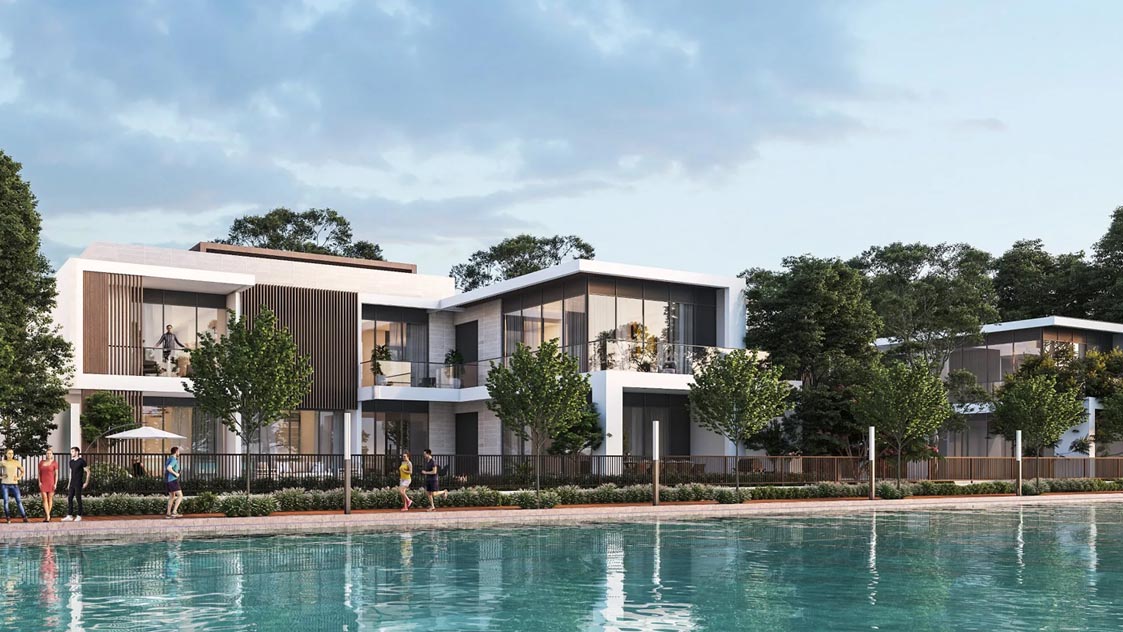
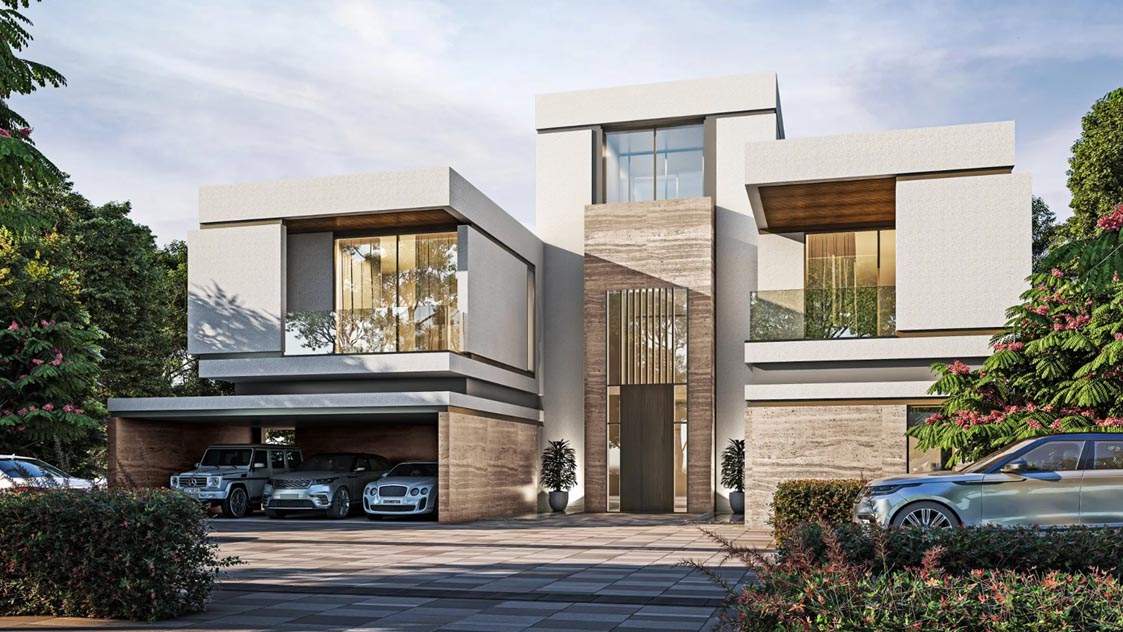
Sobha’s design language favors clean lines, high‑contrast materials, and glazed facades that play with shadow. The result is contemporary without tipping into cold. Facades use a restrained palette, which tends to age well under desert light. You will find the usual promises of landscaped parks and water features. The difference lies in proportion. Open green areas are large enough to invite routine use, not just brochure photography. A path that looped around the central lawn measured slightly more than a casual lap, nudging you into a proper walk. The children’s play zones had shade, resilient surfaces, and sightlines that make supervision natural.
Noise control is often overlooked in planning. Here, the larger roads sit outside the residential cores, and internal streets turn tightly. Delivery vehicles slow down naturally. Townhouses and villas are organized in clusters, which gives pockets of privacy and a social fabric that grows organically. You can know your immediate neighbors without feeling like you have to greet the entire block every morning.
The homes: layouts that work across life stages
Sobha Sanctuary Townhouse and Villas offers a mix that covers the common needs: three and four bedroom townhouses for young families or downsizers who want a lock‑and‑leave option, and larger villas for those who need a home office or a multi‑generational setup. Within the villas, expect flexible spaces that can act as a guest suite one year and a study the next. Doors align for cross‑ventilation, a detail you notice on breezier evenings when the AC can take a break. Storage is built in more generously than the average new build. I saw deep under‑stair closets and laundry rooms sized for both machines side by side, with room to turn and fold.
Kitchens land somewhere between showpiece and workhorse. If you cook three nights a week, the flow holds up. The work triangle is compact, counters are at a comfortable depth, and there is sufficient space for a standalone appliance like an air fryer or a multi‑cooker without stacking items precariously. For heavy home chefs, a dirty kitchen or pantry adjacent to the main one helps. Windows bring in light, and task lighting under cabinets avoids shadowed prep areas. The flooring runs continuous from the main living area into the kitchen, which reduces trip points and makes the space feel larger.
Bedrooms stick to a pragmatic scale, and master suites avoid the odd alcoves that can make furniture placement a puzzle. En suite bathrooms place the wet areas away from the door, a detail that keeps the floor near the entrance dry. Soundproofing between rooms is better than typical. I tapped walls and listened during a mid‑afternoon walkthrough with nearby construction noise. Inside the unit, the sound dropped to a murmur. You only appreciate this during exam week or when you have a toddler nap schedule.
Build quality and the things you cannot see in photos
Sobha has a reputation for craftsmanship, and it shows at joint lines, corners, and hardware. Door closers align, soft‑close drawers actually soft‑close, and silicone lines around wet areas are clean without gaps. The finish consistency from room to room felt higher than average. On similar projects, I often find three types of tile grout within a single home. Here the tones matched, and the grouting was evenly packed. This matters less on day one, more after the first deep clean.
What you do not see in marketing material is MEP quality. The HVAC grille placement keeps airflow even, and I did not notice the hot‑and‑cold zones that plague some open‑plan ground floors. Electrical outlets appear where you need them, including near potential study nooks and along walls where you would reasonably plan a media setup. Water pressure, a test I run with equal parts curiosity and caution, was steady. Mixer taps balanced quickly, so the shower did not toggle between hot and cold when another tap turned on.
Sustainability claims are present, but the value is practical rather than performative. Glazing ratings aim to reduce heat gain, insulation feels adequate for Dubai’s peak months, and low‑flow fixtures maintain usable pressure. Over time, these features keep DEWA bills within reason. They also damp external noise and keep indoor temperatures stable if you step out for the weekend and dial the AC up a notch.
Community amenities that people actually use
Amenities push the decision from like to buy. Sobha Sanctuary Villas grounds its offering in the daily rhythms of families. Pools are sized for both laps and supervised play. The gym is not an afterthought, with resistance equipment, free weights beyond a token set, and space for functional training. If you have teens, courts for basketball or paddle maintain appeal long after the playground years. Pet policies are friendly but structured, and paths are wide enough to accommodate both runners and dog walkers without friction.
Security is visible, not theatrical. Single point entry to clusters, clear visitor parking bays, and consistent patrols create a predictable environment. Community management, the quiet engine of any development, matters more than the glossy brochure. Sobha’s managed communities tend to perform above average on maintenance response times and landscaping upkeep. I look at irrigation consistency, hedge lines, and how quickly a burnt‑out streetlight is replaced. The early Living in Dubailand townhouses signs here are positive.
Pricing expectations and value judgment
Exact price bands shift with release phases, plot positions, and finish packages, so I avoid quoting a static figure. Recent launches in comparable premium Dubailand clusters have ranged from the mid single‑digit millions of dirhams for townhouses to the low double‑digit millions for larger villas, with premiums for corner plots and park‑facing units. Expect Sobha Sanctuary to command a mid to upper band within that spectrum due to brand equity and specification.
The value case rests on three pillars. First, construction quality that reduces snag lists and future maintenance headaches. Second, a community form that will age well and remain attractive to tenants who prioritize family‑friendly layouts and commute efficiency. Third, the brand’s track record with handovers and after‑sales service. If you plan to hold for seven to ten years, these factors soften cyclical dips. Over shorter horizons, transaction costs and potential launch premiums can compress returns, so calibrate your expectations.
For end users: living patterns and little things that add up
Every home decision blends rational and emotional calculus. For families, school access often leads. Dubailand has seen a strong concentration of reputable schools within 10 to 20 minutes of the site, which narrows weekday friction. Healthcare facilities have caught up too, with clinics for routine needs and hospitals accessible within a short drive. Weekend recreation ranges from parks and community events to destination malls and dining areas that avoid the crush of the coastline.
I pay attention to the morning routine. Where do shoes go, how many steps to the car, how wide is the driveway for two SUVs without a delicate dance. Townhouse plots allow two cars comfortably, and garages are deep enough to fit shelves and bikes without blocking doors. In the villas, side setbacks provide outdoor storage options that do not ruin the garden view. Trash collection points are close but not intrusive, which keeps the curb clean and the smells away from the front door during summer.
For investors: rentability, yields, and exit logic
Tenant profiles in this bracket favor stable corporate professionals, families relocating from apartments, and long‑time Dubai residents upgrading within the city. These tenants prioritize school catchments, community reputation, and low downtime for maintenance. That last point boosts rentability. A smooth handover translates to shorter vacancy periods between tenants.
Gross yields on premium townhouses and villas in Dubailand have hovered in the 5 to 7 percent range in recent cycles, with variation based on unit size and finish. Larger villas often have slightly lower yields but stronger long‑term capital preservation. Townhouses tend to rent faster on a price‑per‑month basis. If you plan to furnish, resist the urge to over‑spec. Durable, neutral pieces perform better in the viewings and survive longer. Focus any upgrade budget on window treatments, lighting, and outdoor seating that extends living space. Garden readiness is an underrated lever. A usable lawn and a shaded seating area can close a tenant decision in one visit.
Exit logic is straightforward. Brand, build quality, and community management support resale value. If you buy early in a phase with a coherent plan for later phases, you ride both your unit’s maturation and the neighborhood’s rising profile. The risk, as always, lies in market timing and competing supply. Track adjacent launches. If a wave of near‑identical units floods the market at the same time, price discipline matters.
Comparisons buyers actually make
No purchase happens in isolation. A buyer looking at Sobha Sanctuary Townhouse and Villas will cross‑shop a few peers. Arabian Ranches remains a benchmark for mature community living, though older stock may require renovation. Dubai Hills has scale and centrality, with townhouses and villas that draw a different aesthetic and access profile. Tilal Al Ghaf has active placemaking and a strong amenity set anchored by its lagoon. The key differentiator for Sobha Sanctuary is the brand’s tight control over design and finish, paired with a slightly smaller, more curated scale that many families prefer.
If your priority is a large backyard and you do not mind a slightly longer commute, an outer‑ring villa might offer more land for the money. If your priority is a short drive to DIFC or Dubai Marina, Dubai Hills or Jumeirah Park could edge out on location. For many, Dubailand strikes the balance: you trade ten extra minutes in the car for larger layouts, cleaner air, easier parking, and quieter evenings.
How the buying process typically unfolds
A good purchase starts with clarity on non‑negotiables. Before you book a unit at Sobha Sanctuary Villas, line up your finance pre‑approval and decide your must‑haves: number of bedrooms, exposure, distance from the community center, and tolerance for construction around you if phases hand over in stages. Launch days can be brisk. If you are dealing with a later release or a resale, you gain time to inspect, compare orientation, and test sunlight across the day.
Snagging pays dividends. Even in well‑built homes, small items appear: a door that rubs slightly, a silicone bead that needs smoothing, a misaligned cabinet handle. Document thoroughly, schedule the fix before move‑in, and test again. Pay special attention to AC performance in every room, water heater capacity, and drainage. If you plan upgrades, get approvals in writing and align with community guidelines to avoid delays.
Details for day‑to‑day living
Community rules keep the place tidy. Signage is clear about parking, facade changes, and noise hours. BBQ smoke management on villas, often overlooked, is easier here due to yard depth and boundary walls that help channel air. Street lighting balances visibility with warmth, so nighttime walks feel safe without floodlighting your living room. Deliveries have designated bays, which keeps van traffic from clogging residential lanes around dinner time.
Waste management includes recycling points in logical places, not all the way at the far exit. Landscaped berms block views of utilities without creating blind corners. These details add up to a community that feels considered, not just constructed.
Why the address holds its appeal
Sobha Sanctuary Townhouse and Villas sits at the intersection of practicality and polish. It is not aiming to be a once‑in‑a‑lifetime trophy asset, nor does it cut corners to chase headline affordability. It targets owners who value craft, predictable maintenance, and a neighborhood that supports daily life without friction. You can feel the intent in the way paths connect, how rooms scale, and where light enters the home at 4 p.m. in August.
For families, the pitch is simple: space that adapts to changing needs, amenities that get used, and a commute map that does not hijack dinner. For investors, the logic is a measured yield supported by real demand for well‑managed, well‑built homes in a district with momentum. In a market that can drift toward quick wins, Sobha Sanctuary Villas at Dubailand reads as a long‑view decision.
A short buyer’s checklist
- Confirm commute times to your daily anchors during peak hours, not just midday. Walk the actual unit orientation in late afternoon to judge heat gain and privacy. Test AC and water pressure room by room, and log any snag items immediately. Review community guidelines for upgrades and outdoor changes before planning. Compare service charges and management track record against nearby peers.
Final thoughts grounded in experience
Real estate decisions often distill to trade‑offs. Space versus proximity. New build quality versus established greenery. Price today versus maintenance tomorrow. Sobha Sanctuary Villas narrows those trade‑offs by delivering strong construction, usable layouts, and a community scale that supports families without feeling crowded. It will not suit the buyer who must be ten minutes from the beach or who aims for the most dramatic skyline view money can buy. It will suit the buyer who values a home that works hard every day, keeps bills sensible, and holds its own when tastes shift slightly across the decade.
If that is your profile, put Sobha Sanctuary Townhouse and Villas on the shortlist. Walk it twice, once alone and once with the people who will live there with you. Bring a notebook, test the doors, watch the light, listen for the air noise, and ask about service charges with a straight face. The right address answers those questions cleanly. This one, more often than not, does.